

A well-planned home fragrance routine can do more than make a house smell pleasant. The right fragrance in the right space can influence how a room feels, complement its décor, create a sense of cleanliness, or make an ordinary evening feel more relaxing. However, choosing fragrances for an entire home is not simply a matter of selecting the scents you like most. Room size, ventilation, activity, fragrance intensity, personal preferences, and the way different aromas interact all affect the final result.
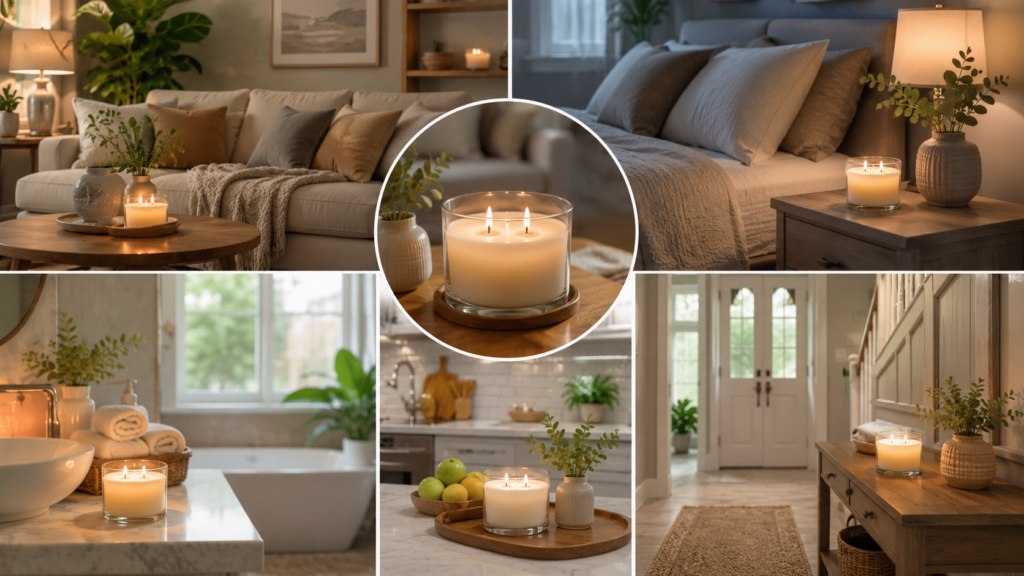
A practical approach is to think about home fragrance as a room-by-room experience rather than using one scent everywhere. A large living room may benefit from a 3 wick candle, while a bedroom may be better suited to a softer fragrance. Likewise, scented candles can serve different purposes depending on where they are placed and when they are used.
The goal is not necessarily to make every room strongly fragrant. Instead, an effective routine creates balance, allowing individual spaces to have their own character while still feeling connected.
Start With the Purpose of Each Room
Before choosing a fragrance, consider what you normally do in the room. Different activities create different expectations for the atmosphere.
The living room is often a social and multifunctional space. It may be used for conversations, watching television, reading, entertaining guests, or relaxing. Because people spend considerable time there, a fragrance that is pleasant without becoming overwhelming is generally more practical than an extremely intense aroma.
Bedrooms have a different purpose. They are associated with rest and personal downtime, so softer and calmer fragrance profiles may be preferable. Fresh, lightly floral, herbal, or subtle woody notes can create a peaceful atmosphere without competing with the room’s primary purpose.
Bathrooms can benefit from crisp, fresh, or clean-smelling fragrances. Since bathrooms are generally smaller spaces, strong aromas can become concentrated quickly. A lighter fragrance may therefore provide a better experience than simply choosing the most powerful option available.
Kitchens present another challenge. Cooking already introduces numerous aromas, ranging from herbs and spices to fried foods and baked goods. Rather than trying to overpower those smells, consider fragrances that complement the environment or wait until cooking is finished before introducing additional fragrance.
Consider Room Size and Airflow
The physical characteristics of a room have a major influence on fragrance performance. A scent that feels subtle in a large open-plan living area may seem much stronger in a small bedroom or hallway.
Room size should therefore influence both the amount of fragrance used and the intensity of the chosen product. Larger rooms with high ceilings may require a stronger fragrance presence to be noticeable. Smaller rooms often need less.
Air circulation matters just as much. Open windows, ceiling fans, HVAC systems, and frequently opened doors can distribute fragrance throughout a home. This can be useful when you want a scent to travel, but it can also cause different fragrances to overlap.
For example, using a strong floral fragrance in a bedroom immediately next to a powerful spicy fragrance in a hallway may create an unintended combination. The individual scents may be enjoyable on their own but less appealing when experienced simultaneously.
The practical solution is to think about airflow between rooms rather than treating each space as completely isolated.
Create a Fragrance Personality for Each Space
A home does not need to have exactly the same aroma in every room. In fact, giving different spaces distinct but compatible fragrance personalities can make the home feel more dynamic.
One approach is to use related fragrance families throughout the house. For example, someone who enjoys fresh aromas might choose citrus-inspired notes for the kitchen, clean botanical notes for the bathroom, and a softer green fragrance for the bedroom.
Another approach is to use contrasting scents according to the function of each room. A warm, woody fragrance might suit a living room, while a fresh citrus aroma could work well in a kitchen or entryway.
The important consideration is compatibility. Dramatically different fragrances positioned close together can compete with one another. A coordinated fragrance palette creates transitions that feel intentional.
Think of the process in a similar way to choosing colors for interior design. Individual rooms can have their own identity while still belonging to the same overall scheme.
Match Fragrance Intensity to the Environment
Fragrance preference is highly subjective. One person’s ideal atmosphere may feel overpowering to another person. This makes intensity an important consideration when developing a home fragrance routine.
A common mistake is assuming that stronger fragrance is always better. Increasing fragrance intensity may make an aroma more noticeable, but it does not necessarily make the experience more pleasant.
Consider how long people remain in the space. A fragrance that works well for a short period in an entryway may become tiring if used continuously in a room where people spend several hours.
Bedrooms and home offices may benefit from restrained fragrance levels because people often remain there for extended periods. Living areas can tolerate somewhat more noticeable aromas, particularly during entertaining, although personal sensitivity should always be considered.
If guests regularly visit your home, moderation is especially important. Not everyone enjoys the same fragrance families, and some people may be sensitive to strong aromas. A subtle and balanced environment is usually more broadly comfortable than an intensely perfumed one.
Think About the Time of Day
A home fragrance routine can also change according to the time of day.
Morning environments often pair well with fresh, bright, or citrus-oriented aromas. These profiles can create a sense of freshness in kitchens, bathrooms, and entryways.
During the afternoon, neutral botanical, fruity, or lightly woody fragrances can provide atmosphere without dominating everyday activities.
Evening is an opportunity to introduce warmer and more relaxing profiles. Notes associated with woods, soft florals, spices, or subtle sweetness can help create a cozier environment in living areas.
This does not mean you need a different fragrance for every part of the day. Instead, consider using fragrance selectively. A home can feel more intentional when aromas are introduced at specific moments rather than operating continuously.
Build a Routine Instead of Fragrancing Everything at Once
Using fragrance products in every room simultaneously may seem like the easiest way to create a consistent atmosphere, but it can produce an overly saturated environment.
A better strategy is to establish a hierarchy. Choose one primary fragrance area and allow other rooms to provide supporting aromas.
For example, the living room might be the main focal point in the evening, while the bathroom has a lighter fragrance and the bedroom remains relatively subtle. During the morning, the kitchen or entryway could become the primary fragrance zone.
This approach offers two advantages. First, it reduces the likelihood of competing aromas. Second, it makes fragrance feel more purposeful.
It can also be more economical because you are not relying on multiple products continuously throughout the day.
Pay Attention to Seasonal Changes
Fragrance preferences often change with the seasons, and a home fragrance routine can evolve accordingly.
During spring and summer, lighter floral, citrus, fresh, fruity, and botanical profiles may feel appropriate. They can complement brighter interiors and warmer weather.
Fall and winter often encourage warmer fragrance families, including woods, spices, amber-inspired notes, and richer gourmand profiles. These aromas can reinforce the cozy atmosphere many people associate with colder months.
However, seasonal conventions should not become strict rules. If you prefer a fresh fragrance in winter or a warm scent during summer, personal preference should take priority.
Seasonal rotation can also prevent fragrance fatigue. Experiencing the same aroma continuously may cause you to notice it less over time. Changing fragrance profiles occasionally can make familiar spaces feel refreshed.
Consider Fragrance Fatigue
One of the less obvious challenges of home fragrance is that the human sense of smell adapts. After spending time around the same aroma, you may gradually stop noticing it.
This can lead to a common mistake: adding more fragrance because the existing scent no longer seems strong enough.
The problem is that visitors or other household members may still perceive the original intensity. Increasing the amount can therefore make the environment unnecessarily strong.
Instead of automatically increasing fragrance levels, consider taking periodic breaks or rotating between complementary aromas. Fragrance-free periods can also help reset your perception.
This is particularly useful in bedrooms and home offices, where people may spend many consecutive hours.
Balance Fragrance With Décor
Fragrance is part of the visual environment as well as the sensory environment. Candle vessels, diffusers, and other fragrance products are often displayed rather than hidden.
For this reason, consider how fragrance products fit into the room’s design. A minimalist room may benefit from simple, understated containers, while a traditional interior might accommodate more decorative pieces.
Placement also matters. A fragrance product should be positioned where it can be used safely and where its appearance complements the surrounding décor.
Avoid placing products in areas where they can be knocked over or exposed to inappropriate heat. When using a flame-based product, follow the manufacturer’s safety instructions, keep combustible materials away, and never leave a burning candle unattended.
Be Strategic About Fragrance Transitions
Open-plan homes require additional planning because one space can influence another.
If the living room, dining area, and kitchen are connected, strong fragrances from each zone can combine into a single scent environment. Instead of choosing unrelated aromas, consider using fragrance families that transition naturally.
For example, a fresh citrus profile in the kitchen can transition into a light botanical fragrance in the dining area and a soft woody profile in the living space. The scents remain distinct but share enough characteristics to avoid creating a confusing combination.
Hallways and staircases can serve as transition areas. However, these spaces generally do not need to be heavily fragranced. Their primary role can simply be to connect the scent experiences of adjoining rooms.
Adjust Your Routine Based on Feedback
There is no universally perfect home fragrance routine. The most effective approach is one that responds to the people living in the home.
Pay attention to which fragrances are consistently enjoyed and which ones seem too strong, disappear quickly, or interfere with other activities. Consider feedback from family members and regular visitors.
It is also useful to evaluate fragrance performance at different times. A scent may seem appropriate during the first few minutes but become overwhelming after several hours.
Keeping a simple record of preferred fragrance families, rooms, and usage times can make future choices easier. Over time, you can develop a personalized system without relying entirely on trial and error.
The Goal Is Balance, Not Maximum Fragrance
Building a room-by-room home fragrance routine is ultimately an exercise in balance. The best result does not come from making every room smell as strongly as possible. It comes from understanding how fragrance interacts with room size, airflow, décor, activities, timing, and individual preferences.
Start with the purpose of each room, then consider its size and ventilation. Choose fragrance families that complement one another, vary intensity according to the environment, and introduce stronger or warmer aromas when they suit the activity and time of day.
Most importantly, allow your routine to evolve. Seasonal changes, changing preferences, new rooms, and different household needs can all influence what works.
A thoughtful fragrance strategy should enhance the home rather than dominate it. By treating each room as part of a connected sensory environment, you can create spaces that feel comfortable, welcoming, and intentional while avoiding the common problems of excessive intensity and competing aromas.

